In 2026, digital conversations are moving faster than ever. Words that seemed obscure a year ago suddenly dominate your iPhone texts, TikTok captions, and Discord chats.
Slang evolves at lightning speed because social media fuels instant trends, memes, and inside jokes. Whether it’s a two-letter abbreviation, emoji combo, or quirky phrase, these expressions carry more than literal meaning—they signal identity, humor, and social belonging.
Understanding the meaning in iPhone texts today isn’t just about staying updated; it’s about decoding the cultural heartbeat of Gen Z. From casual texting to viral meme content, knowing this slang helps you navigate the digital world like a native.
What does meaning in iPhone texts mean in slang?
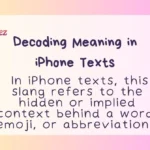
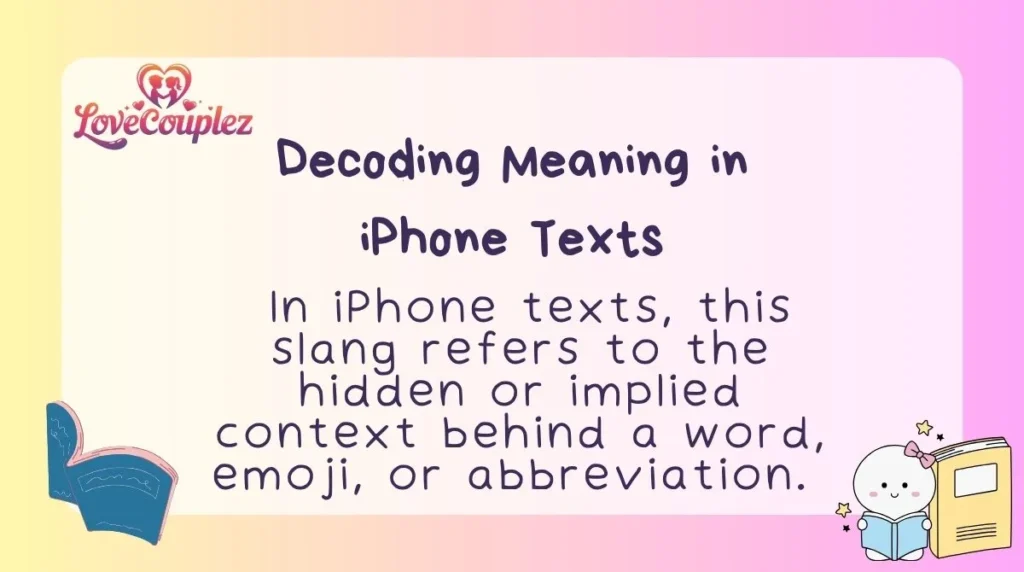
→ In iPhone texts, this slang refers to the hidden or implied context behind a word, emoji, or abbreviation. It’s less about dictionary definitions and more about how digital culture interprets messages in real-time.
Quick Meaning Points:
• Tone: Neutral to Positive
• Who uses it most: Gen Z and young Millennials
• Where used most: iMessage, TikTok, Discord, Instagram DMs
• Example sentence: “IDK what she meant 😅—can you tell me the meaning in iPhone texts?”
Core Meaning Explained
At its heart, meaning in iPhone texts captures the nuance, subtext, or coded message behind casual words, emojis, or shorthand. Unlike traditional communication, digital slang often relies on context, meme knowledge, and platform culture. For example, the same emoji can signal excitement, sarcasm, or even passive aggression depending on the thread or group.
Understanding this slang goes beyond literal reading; it’s decoding tone, humor, and generational references. Modern iPhone users often layer abbreviations like “sus” or “no cap” with emojis to create richer messages. Recognizing the meaning in text lets you engage authentically and avoid misinterpretation.
Origin + Evolution Timeline
Early internet roots (2000s–2010s): Chatrooms, AIM, and early SMS introduced shorthand like “LOL,” “BRB,” and “OMG.” Emoji keyboards started appearing in late 2010s, adding visual layers to text.
Meme spread phase (2015–2020): Social media platforms like Twitter and Instagram amplified quirky phrases, turning “yeet” or “simp” into viral expressions. TikTok accelerated adoption, connecting slang directly to visual meme culture.
Mainstream adoption (2020–2025): Abbreviations, emojis, and inside jokes migrated into iPhone texts, everyday conversation, and even marketing. Mobile predictive keyboards began suggesting trending slang automatically.
2026 current usage: Slang now carries platform-specific meanings. An iPhone user reading a DM in 2026 doesn’t just see words—they interpret emotional nuance, meme reference, and social cues. Texting has become a multi-layered cultural code.
How Gen Z Uses Meaning in iPhone Texts Today
TikTok: Short-form videos and duets frequently reference trending slang. Users often caption content with phrases like “POV: texting your crush” while using memes that require knowledge of the meaning in texts.
Discord: Gaming and community servers thrive on slang-heavy communication. Phrases are often mixed with emojis and GIFs to convey tone, reaction, or humor.
Gaming chat: Competitive environments use shorthand like “gg,” “sus,” and “ez” to communicate quickly. Understanding the meaning behind messages keeps players synced and socially included.
Instagram comments: Caption jokes, playful banter, and meme threads rely heavily on the audience knowing hidden meanings behind words or emojis.
Text messages: In private DMs, slang signals familiarity, humor, and social alignment. A simple “no cap 😬” can communicate honesty, disbelief, or emphasis depending on context.
Real Chat Style Examples
Friend 1: “Yo, she sent me a 😏…what’s the meaning in iPhone texts?”
Friend 2: “Classic flirt emoji. She def likes you, no cap.”
Friend 1: “Just got a reply that said ‘bruh…’”
Friend 2: “Tone check: annoyed but kinda joking. That’s the meaning in text context.”
Friend 1: “IDK what this emoji combo 🤯🔥 means here”
Friend 2: “Surprised and hyped. Standard 2026 usage.”
Similar Slang Comparison
- Sus vs. Sketchy: Both signal suspicion, but “sus” is playful, meme-driven; “sketchy” is slightly more serious.
- No cap vs. For real: Both confirm honesty; “no cap” is casual, meme-literate, and emphasizes credibility.
- Bet vs. OK: “Bet” conveys agreement with attitude or challenge, while “OK” is neutral.
- Yeet vs. Throw: Yeet is energetic, meme-powered; throw is literal or neutral.
- Flex vs. Show off: “Flex” carries playful bragging; “show off” is judgmental.
Psychological + Social Meaning
Slang usage reflects identity, humor, and peer validation. Using correct terms signals belonging to digital subcultures. Emojis and shorthand allow users to express emotion, sarcasm, or irony without long explanations.
Social validation is another driver: correctly using a trending term can earn likes, replies, or meme recognition. Online identity is curated; iPhone text slang functions as a badge, signaling cultural literacy and social awareness.
When NOT To Use This Slang
- Professional emails or workplace messaging
- Conversations with older audiences unfamiliar with current slang
- Academic or formal writing
- Legal or contractual communication
- Sensitive topics where misinterpretation could be harmful
Is This Slang Still Trending in 2026?
Yes. Gen Z and younger Millennials continue driving slang adoption. TikTok, Discord, and iMessage remain key platforms. Future trends suggest more emoji-text hybrids, AI-influenced predictive slang, and meme-integrated shorthand will emerge, keeping the landscape dynamic.
Pro Tips to Use Naturally
- Match your slang to platform culture
- Observe tone and context before sending
- Avoid overstuffing multiple slang words in one sentence
- Use sparingly with new contacts
- Blend emojis to clarify emotion
Common Mistakes
- Misinterpreting emoji meaning
- Overusing trending words, sounding forced
- Ignoring platform-specific nuances
- Using slang in professional contexts
- Assuming all peers know every term
Related Slang Words (Mini Glossary)
- No cap: Honestly, seriously
- Sus: Suspicious or questionable
- Bet: Agreement or challenge
- Yeet: Throw energetically or express excitement
- Flex: Brag playfully
- Simp: Overly attentive affection
- POV: Point of view scenario
- Mood: Expressing relatability
- Bruh: Frustration or disbelief
- Vibe check: Assessing mood or energy
FAQ
What does meaning in text mean?
It’s the implied or cultural context behind words, emojis, or shorthand in digital messaging.
How do I understand modern slang usage on TikTok?
Observe trending videos, captions, and comment threads; context is key.
Can slang definition differ by platform?
Yes, Discord, iMessage, and Instagram often interpret terms differently.
Why is iPhone text slang important in 2026?
It signals cultural literacy, humor, and social belonging in Gen Z communities.
Is it okay to mix old and new slang?
Yes, but balance is crucial—overuse can confuse or alienate readers.
Conclusion
Slang in iPhone texts is more than shorthand; it’s cultural code. Understanding it boosts communication, social confidence, and meme fluency.
Stay curious, read context, and you’ll always get the hidden meaning behind digital conversations.